- All products
-
 1 Meter Aluminiumrohr
-
 1 Metre Classic Wrapped Straight Silicone Hose
-
 1 Metre Fuel & Oil Silicone Straight
-
 1 Metre Straight Silicone Hose
-
 1 Metre SuperFlex Wire Reinforced Silicone
-
 135-Grad-Aluminium-Winkelstück
-
 135 Degree Silicone Elbow Hose
-
 180-Grad-Aluminium-Winkelstück
-
 180 Degree Silicone Elbow Hose
-
 3 mm Riffelblech-Gummimatte
-
 3 mm Gummimatte mit runden Noppen
-
 3 mm glatte Gummimatte
-
 4-Wege-Stretch-Campervan-Futterteppich-Musterpaket
-
 45-Grad-Aluminium-Winkelstück
-
 45 Degree Fuel & Oil Silicone Elbow
-
 45 Degree Fuel & Oil Silicone Long Leg Elbow
-
 45 Degree Reducing Silicone Elbow Hose
-
 45 Degree Silicone Elbow Hose
-
 45-Grad-Edelstahl-Winkelstück
-
 45 Degree Wrapped Silicone Elbow
-
 5 Meter Doppel-Abluft-Absaugkanal-Set
-
 5 mm Riffelblech-Gummimatte
-
 5 mm Gummimatte mit runden Noppen
-
 76 mm/3 Zoll Heizungskanal-T-Stück, Entlüftungsanschluss
-
 9 Meter langes Doppel-Abluft-Absaugkanal-Set
-
 90-Grad-Aluminium-Winkelstück
-
 90 Degree Fuel & Oil Silicone Elbow
-
 90 Degree Fuel & Oil Silicone Long Leg Elbow
-
 90 Degree Reducing Silicone Elbow Hose
-
 90 Degree Silicone Elbow Hose
-
 90-Grad-Edelstahl-Winkelstück
-
 90 Degree Wrapped Silicone Elbow
-
 Legierungs-Wassersensor-Adapter
-
 Aluminium Beaded Hose Joiner
-
 Aluminium Hose Connector
-
 Aluminium-Schlauchverbinder - 100 mm lang
-
 Aluminium-T-Stück, 3-Wege-Schlauchverbinder
-
 Aluminiumrohrreste, gemischte Box
-
 Anthrazitfarbener Stretchteppich für Van Lining
-
 Assorted Mini Hose Clips
-
 Assorted Rubbed Lined P-Clips
-
 Assorted T-Bolt Hose Clamps
-
 Assorted Worm Drive Hose Clips
-
 Audi A3 1.9TDI 131 PS ASZ Motor AGR-Abdeckung Silikonschlauch
-
 Beiger Stretchteppich für Transporterverkleidung
-
 Black Plastic Blanking Hose Bung
-
 Schwarzer Stretchteppich für Van Lining
-
 Blue Plastic Blanking Hose Bung
-
 BMW 1er-Reihe E87 118d 120d Silikonschlauch vom Ladeluftkühler zum EGR
-
 BMW E46 3er 330D Top EGR Ladeluftkühler Turbo Silikonschlauch


-


90-Grad-Edelstahl-Winkelstück
Normaler Preis Von £16.42Verkaufspreis Von £16.42 Normaler PreisStückpreis pro -


90 Degree Wrapped Silicone Elbow
Normaler Preis Von £9.79Verkaufspreis Von £9.79 Normaler PreisStückpreis pro -

 Bis zu £3 Rabatt
Legierungs-Wassersensor-Adapter
Normaler Preis £11.99Verkaufspreis £11.99 Normaler PreisStückpreis pro£14.99 -


Aluminium Beaded Hose Joiner
Normaler Preis Von £6.38Verkaufspreis Von £6.38 Normaler PreisStückpreis pro -

Aluminium Hose Connector
Normaler Preis Von £3.98Verkaufspreis Von £3.98 Normaler PreisStückpreis pro -


Aluminium-Schlauchverbinder - 100 mm lang
Normaler Preis Von £6.98Verkaufspreis Von £6.98 Normaler PreisStückpreis pro -


Aluminium-T-Stück, 3-Wege-Schlauchverbinder
Normaler Preis Von £14.40Verkaufspreis Von £14.40 Normaler PreisStückpreis pro -
 Bis zu £3.50 Rabatt
Aluminiumrohrreste, gemischte Box
Normaler Preis £13.99Verkaufspreis £13.99 Normaler PreisStückpreis pro£17.49 -


Anthrazitfarbener Stretchteppich für Van Lining
Normaler Preis Von £9.94Verkaufspreis Von £9.94 Normaler PreisStückpreis pro -


Assorted Mini Hose Clips
Normaler Preis Von £8.10Verkaufspreis Von £8.10 Normaler PreisStückpreis pro -

Assorted Rubbed Lined P-Clips
Normaler Preis Von £9.68Verkaufspreis Von £9.68 Normaler PreisStückpreis pro -


Assorted T-Bolt Hose Clamps
Normaler Preis Von £69.31Verkaufspreis Von £69.31 Normaler PreisStückpreis pro -


Assorted Worm Drive Hose Clips
Normaler Preis Von £24.11Verkaufspreis Von £24.11 Normaler PreisStückpreis pro -

Audi A3 1.9TDI 131 PS ASZ Motor AGR-Abdeckung Silikonschlauch
Normaler Preis £20.59Verkaufspreis £20.59 Normaler PreisStückpreis pro -


Beiger Stretchteppich für Transporterverkleidung
Normaler Preis Von £9.94Verkaufspreis Von £9.94 Normaler PreisStückpreis pro


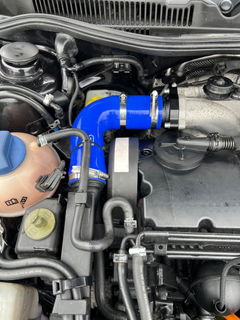
Automobilindustrie
Unsere Silikonschlauchkollektion für Autos ist auf hohe Leistung und Zuverlässigkeit ausgelegt und damit die ideale Wahl für eine Vielzahl von Automobilanwendungen. Diese Schläuche sind für extreme Temperaturen, hohen Druck und den Kontakt mit Fahrzeugflüssigkeiten ausgelegt und eignen sich sowohl für Hochleistungsfahrzeuge als auch für Alltagsautos.
Diese vielseitigen Schläuche eignen sich perfekt für den Einsatz in kritischen Systemen wie Kühlsystemen, wo sie dazu beitragen, die Motortemperatur im optimalen Bereich zu halten, Überhitzung zu verhindern und eine effiziente Fahrzeugleistung sicherzustellen. Sie sind auch ideal für Ansaug- und Ladedrucksysteme, da sie den Motor effizient mit Luft versorgen und maximale Leistung und Kraftstoffeffizienz gewährleisten, insbesondere bei Turboladern und Kompressoren.
Darüber hinaus sind unsere Automobilschläuche für Kraftstoff- und Ölleitungen konzipiert. Sie übertragen Kraftstoff und Öl sicher und sind äußerst dicht und verschleißfest, sodass eine dauerhafte Zuverlässigkeit gewährleistet ist. Sie eignen sich auch perfekt für Vakuum- und Luftsysteme und tragen dazu bei, einen stabilen Luftstrom in Bremssystemen, der Abgaskontrolle und anderen wichtigen Komponenten aufrechtzuerhalten.
Unsere Autoschläuche werden aus hochwertigem Silikon hergestellt und bieten überragende Flexibilität, Festigkeit und Alterungsbeständigkeit. Damit sind sie eine ausgezeichnete Wahl für eine Reihe von Fahrzeugen – vom Alltagsauto bis zum Hochleistungsrennwagen. In Kombination mit unseren Metallrohren aus T6063-Aluminium und 304-Edelstahl bieten diese Schläuche eine Komplettlösung für die hohen Anforderungen Ihres Fahrzeugs.
What do you stock for automotive work?
Should I use silicone or rubber on my car?
Can I use silicone hose for fuel or oil?
How do I measure for the right size hose?
Do you sell hoses for specific vehicles?
What clips should I use?
Questions about Automobilindustrie?
Need something bespoke?