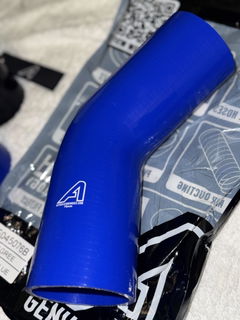
Rubber Vacuum Air Brake Servo Hose

1 product

  • Rubber Vacuum Air Brake Servo Hose Hoses UK 13mm 1 Metre

    Rubber Vacuum Air Brake Servo Hose

    Oil Resistant Reinforced Flexible

    2 total reviews

    Regular price From £5.71
    Sale price From £5.71 Regular price

Rubber Vacuum Air Brake Servo Hose

EPDM rubber airbrake servo hose is a type of hose used in automotive air brake systems. It is made from EPDM (ethylene propylene diene monomer) rubber, a synthetic rubber material known for its durability and resistance to heat, sunlight, and ozone. This makes it an ideal material for use in air brake systems, which are subjected to high temperatures and harsh operating conditions.

EPDM rubber airbrake servo hose is typically used to connect the various components of an air brake system, such as the brake pedal, brake chamber, and air tank. It is designed to be flexible and able to withstand high pressure, making it suitable for use in air brake systems that require precise control and smooth operation.

In terms of technical characteristics, EPDM rubber airbrake servo hose is typically rated for use at pressures up to 200 pounds per square inch (PSI) and temperatures up to 200 degrees Fahrenheit. It is also resistant to ozone and sunlight, making it suitable for use in outdoor applications. Overall, EPDM rubber airbrake servo hose is an important component of automotive air brake systems, and its durability and resistance to extreme temperatures make it a valuable addition to any vehicle.

What is this hose used for?

It serves two closely related jobs: vacuum lines feeding a brake servo on cars and light vehicles, and pneumatic control lines in commercial vehicle braking systems. Both need a hose that will not collapse under negative pressure, resists oil contamination from the engine bay, and survives years of heat and ozone exposure without hardening. It is built to BSAU110 and conforms to SAE J1402.

Why can't I use ordinary rubber hose on a brake servo?

Because a servo line runs under vacuum, not pressure. Ordinary hose without adequate wall reinforcement will slowly draw shut, and a partially collapsed servo hose gives a hard pedal that comes and goes - a genuinely dangerous and very hard fault to diagnose. This hose is reinforced with high-tensile braided fibre specifically so it holds its bore under vacuum.

What sizes and lengths do you offer?

Internal diameters of 9.5mm and 13mm, cut to order from 1 metre up to a 50 metre full coil. Those two sizes cover the overwhelming majority of servo and vacuum applications. Measure the outside diameter of the servo spigot and the manifold takeoff and match the hose bore to it - the hose should need a firm push to go on, not slide on loose.

Will it resist oil and fuel contamination?

It is oil resistant, which matters because a servo line sits in an engine bay where oil mist, splashes and fuel vapour are unavoidable. That resistance is why it lasts where a general-purpose rubber hose goes soft and swells. It is not intended as a fuel delivery hose though - for carrying fuel use our SAE J30 R6 rubber fuel hose or fluorosilicone-lined silicone.

What material is it and why does that matter?

A synthetic rubber inner tube with braided fibre reinforcement and an ozone-resistant synthetic rubber outer cover. Ozone resistance is the reason the outer does not craze and crack after a few summers under the bonnet - that surface crazing is usually the first visible sign that an old servo hose is on its way out, even before it starts to collapse.

How do I fit it?

Cut it square, push it fully home over the spigot so it seats past any barb, and secure with a hose clip at each end. Route it away from the exhaust manifold and turbo, and support it so it cannot rub on a bracket or the bonnet slam panel. A vacuum leak from a chafed servo hose gives a lumpy idle as well as a poor pedal, so routing is worth taking care over.